



Parental burnout: the telltale signs (and how to get through it)
13 May, 2026
There's the normal fatigue of parenting, the kind that comes with short nights, busy days and the thousand little daily demands, and then there's parental burnout, something deeper and more persistent that doesn't go away after a good night's sleep. The line between the two isn't always easy to pin down, especially when you're right in the thick of it. Yet recognizing the signs early can make a real difference, for yourself as much as for your kids.
What parental burnout is not
First of all, parental burnout is not a sign of failure, bad parenting or insufficient love. It's a human and predictable response to prolonged overload (emotional, physical and mental) in a role that never takes a break. Recognizing it is already a sign of great clarity about your own reality.
The signs not to ignore
Parental burnout shows up differently from one person to another, but certain signals come up frequently:
- Fatigue that won't go away: sleep is no longer enough to recover. You get up already exhausted, and the prospect of the day ahead weighs on you rather than inspires you.
- Emotional detachment: you're physically present but emotionally absent. You go through the routines on autopilot, without really being there. Moments with your children bring little pleasure, even indifference.
- Constant irritability: you react disproportionately to small things. Your patience runs out quickly, and you find yourself yelling over details that, in another state, wouldn't affect you.
- A sense of lost identity: you no longer remember who you were before becoming a parent. Your own needs, interests and desires seem to have disappeared under the weight of responsibilities.
- Chronic guilt: a persistent feeling of never doing enough, of being a bad parent, of missing something, despite all the effort you put in.
- Gradual isolation: you withdraw from social relationships, cancel outings, answer messages less and less. The energy to maintain outside connections is simply no longer there.
If several of these signals resonate, it's important to take them seriously rather than downplaying them or waiting for it to pass.
What you can do
The good news is that there are solutions to turn to in order to regain your balance, which may sometimes require outside help.
Name what you're going through. Saying out loud (to your partner, a friend or a professional) that you're at the end of your rope already lightens part of the weight you feel.
Ask for and accept help. This is often harder than it seems, especially for those whose identity is built around handling everything. But delegating part of the responsibilities, whether to the other parent, to family or to outside resources, is not giving up, it's a necessity.
Protect time for yourself, no negotiation. Not a dream vacation someday, but real time, now and on a regular basis. An hour's walk alone, an evening without kids, a morning when someone else handles breakfast... These micro-breaks add up and can quickly make a real difference.
See a professional if necessary. When the signs are persistent and intense, it's important to talk to a doctor, a psychologist or a social worker, since untreated parental burnout often gets worse over time.
Remember that taking care of yourself means taking care of your children
You can't give what you don't have. An exhausted, drained parent who is disconnected from themselves can't offer their children the presence and warmth they need, no matter how hard they try. Taking care of yourself isn't a luxury or a selfish act, but the very condition for being the parent you want to be. 💙
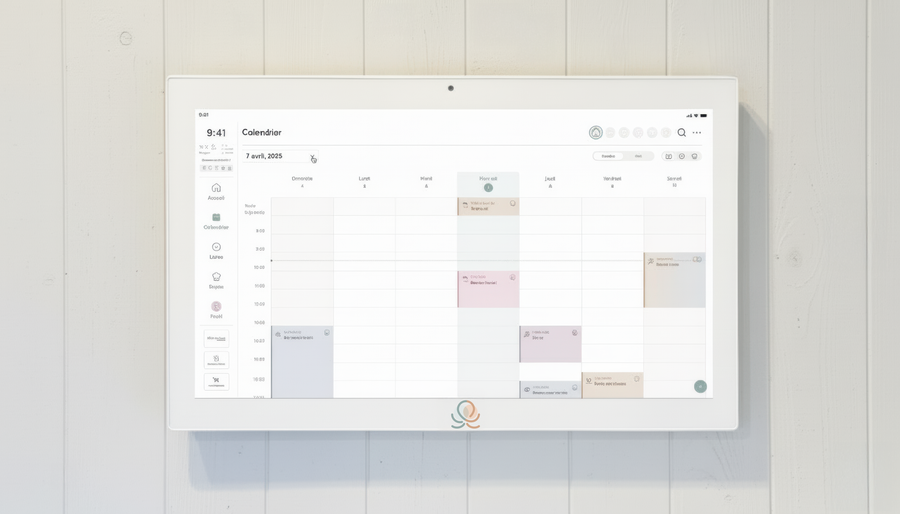
Put these tips into practice
Get the whole family organized with Octave
Meals, chores, the calendar and routines for the whole family in one place: on everyone's phone and on the Station on your wall.
The app is free on iOS and Android.