


Buy less, choose better: intentional consumption for families
11 April, 2026
We live in a world that constantly invites us to buy, and the opportunities to spend sometimes seem endless! Add children to the picture, and the offering seems to multiply even more. Yet more and more families are choosing to slow down and consume differently, with more intention and fewer purchases made without first taking the time to think about them consciously. If this path interests you, here are a few tips for adopting it, without complicating your life!
What is intentional consumption?
Consuming intentionally doesn't mean stopping buying. It means buying with full awareness, notably by taking the time to ask yourself a few simple questions before heading to the checkout:
- Do we really need it?
- Will it be used for a long time?
- Do we already have something that serves the same function?
- Is it a considered purchase or an impulse buy?
This small reflex, which takes barely a few seconds, can radically transform how a family manages its budget and its space, finally freeing up room for what really matters.
Start by observing your habits
Before changing anything, it's useful to become aware of your consumption habits. So, for two weeks, try the exercise of writing down all your non-essential purchases: clothes, toys, decorations, kitchen gadgets, etc. You will probably be surprised by the number of purchases you make! This awareness is often the starting point of lasting change.
Concrete strategies for consuming differently
Changing your consumption habits obviously doesn't happen overnight, but a few simple strategies can quickly make a big difference:
- The 48-hour rule. Before any unplanned purchase, wait two days. If the urge is still there after 48 hours, take the time to reassess your desire. In most cases, it will probably have faded on its own!
- The single list for kids. When kids want something, add it to a list (for example on Octave!). This list then becomes the reference for birthdays, Christmas or small rewards and special occasions. This approach helps avoid impulse buys in stores, in addition to teaching kids to delay gratification, a valuable skill!
- Favour quality over quantity. One sturdy, versatile, durable toy is worth more than five cheap toys that will quickly end up in the trash. Adopt the same logic for clothes: a few well-chosen pieces last longer and often cost less in the long run.
- Explore alternatives to buying new. Thrift stores, parent swap groups and libraries are valuable resources that let you get what the kids need without systematically buying new, in addition to giving objects a second life.
Involve the kids in the process
In addition to letting you make substantial savings and take concrete part in protecting the environment, intentional consumption is a wonderful educational opportunity. Indeed, kids who understand where money comes from, what it means to make a choice and why we can't have everything develop financial and emotional skills that will be very useful to them in adulthood.
What it really changes
Families who adopt more intentional consumption often report the same thing: less clutter, less financial stress and, paradoxically, more satisfaction. Having fewer possessions generally lets you appreciate what you have more, in addition to making each purchase more meaningful. And when kids learn early to consume wisely, they carry that value with them for a long time!
Put these tips into practice
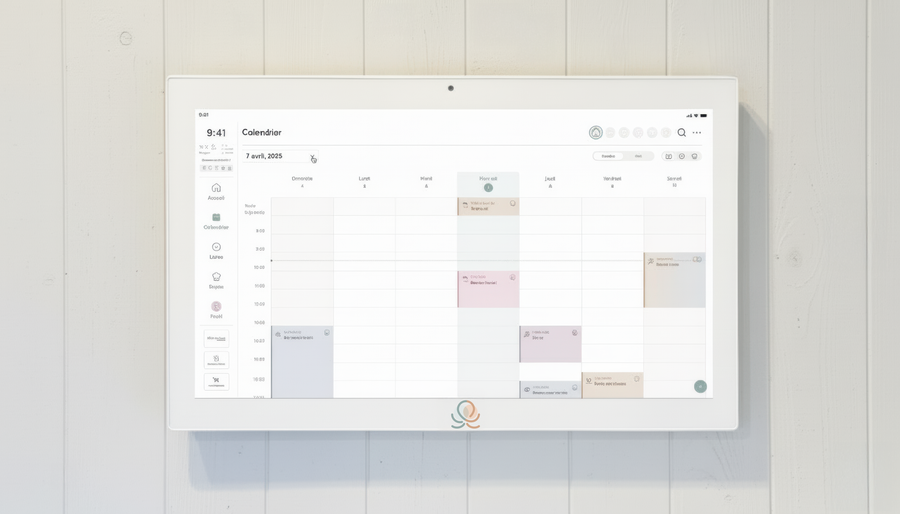
Get the whole family organized with Octave
Meals, chores, the calendar and routines for the whole family in one place: on everyone's phone and on the Station on your wall.
The app is free on iOS and Android.