



3 methods for organizing kids' clothes by age and season
01 April, 2025
Organizing kids' clothes is a never-ending challenge for many parents. Who hasn't found themselves, once spring rolls around, facing a mountain of clothes to sort, categorize and fold, especially with several kids? The questions are always the same: what to keep, what to toss, what to donate, what to hold on to, and where and how? How many of us have bought new clothes when, somewhere in a forgotten drawer, there was exactly what our child needed? Between fast growth, changing seasons and needs that shift with age, how do you create a system that is both functional and adaptable? Here are three effective methods that adjust to the different stages of childhood.
Method 1: The capsule system for babies and toddlers (ages 0-3)
During this period of lightning-fast growth, clothes quickly become too small. The capsule method offers a practical solution.
How to set it up:
-
Divide by size rather than by season
-
Create labelled bins by 3-month size ranges (0-3, 3-6, 6-9, etc.)
-
Keep the bin for the current size within easy reach, and store the future sizes in reserve
-
Limit quantities by category
-
7-8 pyjamas/onesies (accidents happen a lot!)
-
5-6 tops and bottoms
-
3-4 complete outfits for outings
-
Use a practical system to keep clothes moving
-
In the dresser/drawers: Put only clothes in your child's current size
-
“Donate” bin: Under the bed or on top of the closet, for clothes that have become too small and are ready to donate or sell
-
“Keep” bin: Next to the previous one, for clothes you're saving for a future child
-
“Up next” bin: Clearly labelled with the next size and easy to get to so you can rotate
This simple system prevents buildup while making it easier to move from one size to the next, a transition that matters more than the change of seasons at this age.
Method 2: The independence approach for preschoolers and elementary school kids (ages 4-8)
At this age, building independence in getting dressed becomes essential, and the system needs to let your child take an active part.
How to set it up:
-
The kid-height closet
-
Install a low rod where your child can reach the hangers
-
Use visual dividers (by colour or by type of clothing)
-
Reserve a low drawer for underwear and socks
-
The ready-made outfit system
-
Create 5-7 complete outfits for school/daycare
-
Use multi-tier hangers to pair tops with bottoms
-
For the more visual kids, take photos of the outfits and stick them on the hangers
-
The seasonal transition zone
-
In the closet: current-season clothes only
-
Under the bed: flat boxes holding next season's clothes
-
On a high shelf: bins of last season's clothes to sort through (too small vs. keepers)
This method gives your child responsibility while creating clear visual cues that make everyday choices easier.
Method 3: The modular system for tweens and teens (ages 9-16)
At this stage, personal preferences and a sense of personal style become more important, and the system needs to be more flexible.
How to set it up:
-
The modular base, by category
-
In the closet/drawers: current-season clothes only
-
Divide the space into clearly identified zones: school, sports, going out, relaxing
-
Use dividers in the drawers to separate the categories of clothing
-
The project approach to seasonal transitions
-
Set aside one weekend per season for the big sort with your teen
-
Together, create three temporary zones in the bedroom:
-
“Keeping for this season” zone
-
“Storing for next season” zone
-
“Donating/selling/recycling” zone
-
The limited display space
-
Designate a specific, limited space (one shelf, part of the closet) for current favourite pieces
-
Introduce the “one in, one out” rule for this space
-
For off-season storage: use vacuum storage bags under the bed or on top of the closet
This method respects a growing need for independence while keeping a structure in place that prevents excessive buildup.
Universal tips that apply to every method
Whatever method you choose, a few basic principles make managing kids' clothes easier:
-
The 80/20 rule: We generally wear 20% of our clothes 80% of the time. Identify those favourites and make them easy to reach.
-
The monthly routine: Set aside 30 minutes once a month for a mini-sort that prevents buildup (clothes that have become too small, damaged items).
-
The seasonal appointment: Schedule dedicated time in your family calendar for the change of seasons, ideally 2-3 weeks before the weather turns.
-
Sorting before shopping: Before each new season, take a full inventory before buying new items.
These three methods evolve naturally as your child grows, gradually turning what used to be a parental task into a personal organization skill. The goal isn't just a tidy space, but building habits that will carry your child toward independence – while significantly reducing the daily stress of getting dressed.
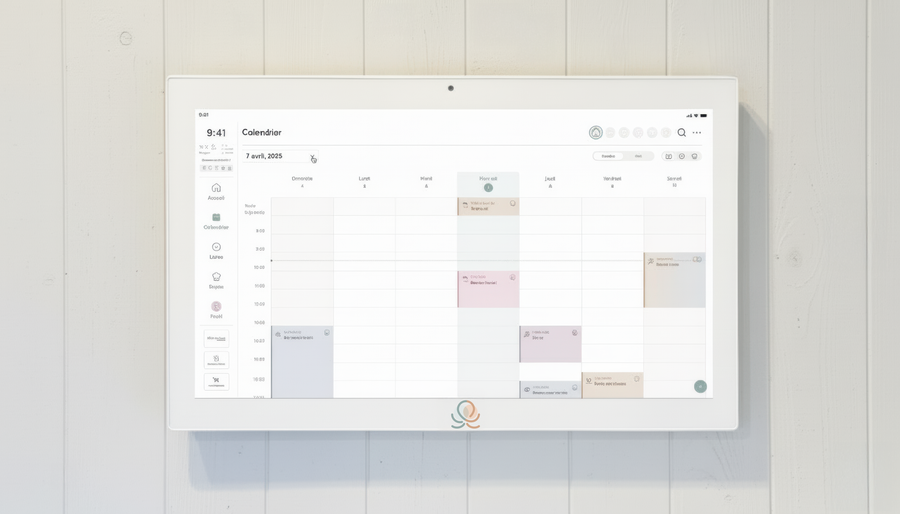
Put these tips into practice
Get the whole family organized with Octave
Meals, chores, the calendar and routines for the whole family in one place: on everyone's phone and on the Station on your wall.
The app is free on iOS and Android.