



Reducing food waste as a family
22 February, 2026
In Quebec, the average family throws out about $1,300 worth of food every year, which is like several entire grocery hauls going straight into the garbage. Beyond the financial side, food waste is also a major environmental issue, as wasted food needlessly ends up in landfills.
But here's the good news: reducing food waste is often much simpler than you'd think. Here are a few tips for doing it as a family, without making life too complicated.
Plan ahead to avoid overbuying
The number one cause of waste: buying more than we actually need.
Without a well-established menu, we often find ourselves at the grocery store buying “just in case,” caving to sales we don't really need, and coming home with a cart full of food that doesn't match any specific meal.
The solution: a weekly menu
Before going to the grocery store, take 15 minutes to plan your meals for the week.
How to do it:
- Write down the planned meals in your Octave app or on your weekly planner
- Make your grocery list from the chosen recipes (or generate it automatically in Octave!)
- Check what you already have in the fridge and pantry
Organize the fridge strategically
A disorganized fridge = a fridge where food gets lost and rots.
The “first in, first eaten” method
When you get back from the grocery store, make sure to put the new items behind the old ones; that way, you use up what was bought earlier first, which will necessarily expire sooner.
An “Eat first” zone or bin
Create a visible section in your fridge (an eye-level shelf or a specific container) for foods that need to be eaten quickly (use our handy label to identify it!):
- Leftovers
- Fruits and vegetables that are starting to soften
- Foods close to their expiry date
Make it a family habit: Before preparing a meal or a snack, look at the “Eat first” zone first.
Understanding expiry dates
“Best before” does NOT mean “poison after”!
So learn to tell the different labels apart:
“Best before”: An indication of peak freshness. The food remains safe after this date, but may lose a little flavour or texture. So trust your senses (smell, sight, taste) rather than the date shown!
“Use by”: A more important label for food safety (for meats, fresh fish and dairy products, for example); these dates must be respected to avoid possible food poisoning.
Tip: Yogurt, cheese and many other products can often be eaten several days (even weeks) after the date shown if they've been stored properly.
Transforming leftovers and “almost lost” foods
Leftover meals
Rather than letting them quietly die at the back of the fridge...
Opt for one of these options instead:
- Put a “leftovers buffet” night on the menu each week
- Transform them: leftover roast chicken can make excellent sandwiches or quesadillas!
- Freeze them in individual portions for lunches
Tired fruits and vegetables
Softened vegetables can easily be turned into:
- Homemade soup, puréed soup or broth
- Stir-fries, omelettes or frittatas
- Muffins or loaves (zucchini or carrot, for example)
Overripe fruit can be used to make:
- Smoothies (freeze the fruit in pieces so it's easy to use)
- Homemade compote
- Muffins, loaves or pancakes
With your wilted fresh herbs, you can:
- Freeze them in ice cube trays with olive oil for later use
- Make a homemade pesto
Adjust the portions
We often cook too much, a habit that often leads to waste if no one makes sure the leftovers get eaten. If you regularly throw out leftovers, that's probably you!
The solutions
Intentionally cook double: Rather than accidentally cooking too much, consciously make a double batch of a recipe you like, and immediately freeze half in individual portions for lunches.
Serve the meal on smaller plates: Portions look more generous, and kids can go back for seconds if they're still hungry (rather than throwing out what's left on their plate).
Put the meal in the centre of the table: Kids can then serve themselves, and generally take portions better suited to their hunger than the ones you would give them.
Getting the kids involved
Because kids who understand the impact of food waste waste less, it's important to take the time to raise their awareness.
Show them: For one week, put everything you throw out as food in a clear bin. At the end of the week, look at the result together; the visual impact will probably be pretty convincing!
Explain it simply: “This food cost money, which could have been used for a family activity. When we throw away food, it's like throwing that money in the garbage.”
Give them responsibilities:
- Check the “Eat first” zone when it's time to grab a snack
- Help plan the week's meals
- Turn leftovers into new meals with you
The power of the freezer
Your freezer is your best ally against waste.
What you can freeze (and may not know about!)
- Bread (sliced, it thaws in minutes in the toaster)
- Shredded cheese
- Fresh herbs (chopped, in ice cube trays)
- Overripe fruit (for smoothies, for example)
- Leftover wine (for cooking)
- Homemade broth (or vegetable stock made with your scraps)
- Complete meals in individual portions
Tip: Label everything with the date and contents. Anything that isn't labelled often ends up getting tossed out of suspicion!
To find out how long different foods keep in the freezer, use this printable!
The real impact of these small steps
Reducing food waste isn't just “saving a tomato.” It's:
💰 Saving hundreds of dollars a year
🌍 Reducing your environmental footprint
🧠 Teaching kids awareness and gratitude
⏰ Managing your kitchen and your time better
Of course, you don't need to do everything perfectly. Even by applying just a few of these strategies, you'll significantly reduce your waste.
So start small: Choose one or two strategies this week first, then gradually add more.
Every food item saved from the garbage is a small victory. And those small victories add up to an enormous difference! 💚
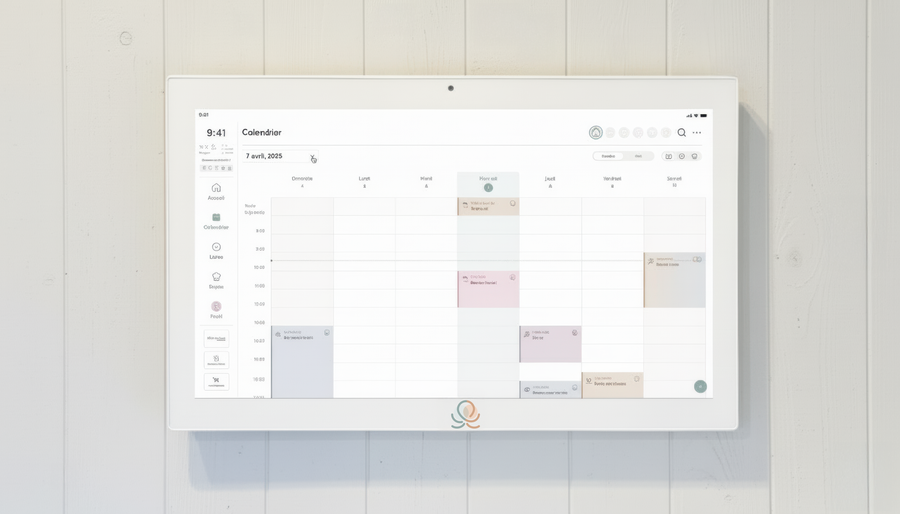
Put these tips into practice
Get the whole family organized with Octave
Meals, chores, the calendar and routines for the whole family in one place: on everyone's phone and on the Station on your wall.
The app is free on iOS and Android.