



Cooking with kids while camping or at the cottage
23 July, 2026
Cooking with kids while camping or at the cottage often seems like a recipe for perfect chaos: limited space, minimal equipment, schedules thrown off a bit, everyone hungry at the same time… and yet it's also the perfect playground for giving kids a taste for cooking, getting them involved in family life and creating lasting memories.
With a bit of preparation and realistic expectations, outdoor meals can become a highlight of the trip, rather than a chore to be handled in a rush!
1. Think “simple, filling, flexible”
When camping or at the cottage, the key is to aim for meals that are:
- Simple to make with few utensils.
- Filling, to fuel days spent outdoors.
- Flexible, so everyone can build their own plate.
A few winning ideas with kids:
- Build-your-own tacos or wraps: tortillas, proteins (beans, chicken, tofu, ground meat), raw veggies, cheese, salsa. Each child assembles their own meal.
- “All-in-one” pasta: one pot, pasta, vegetables, a simple sauce (tomatoes, pesto, olive oil and garlic).
- Hearty soups: broth, vegetables, noodles or rice, chickpeas or lentils. A comforting option for cooler evenings!
- Hearty breakfasts: oatmeal with your choice of toppings, yogurt and fruit, scrambled eggs in a single skillet.
The more a meal can be put together from simple components, the easier it will be to involve the kids without turning the kitchen into a headache.
2. Prepare ahead whatever can be prepared
The secret to cooking calmly on a small camp stove or in a minimalist cottage kitchen is to move some of the work to home:
- Cut some vegetables ahead of time (carrots, peppers, celery) and put them in reusable containers.
- Make marinades and soak the tofu, chicken or pork cubes in them in resealable bags.
- Mix the dry ingredients of recipes (pancakes, simple muffins, cookies) in labelled jars: all that will be left is to add the liquids on site.
- Cook rice or grains (quinoa, barley) ahead of time so they can be reheated in a stir-fry.
This prep work cuts down on handling time at the campsite or cottage, lets you include the kids in the final steps (mixing, assembling, garnishing) and frees the adult from the pressure of “doing everything on site.”
3. Give kids real responsibilities
Cooking with kids doesn't mean letting them play nearby while the adult takes care of everything. On the contrary, it's a great opportunity to give them age-appropriate tasks:
For the youngest (ages 3 to 6):
- Wash the fruits and vegetables.
- Mix the ingredients in a bowl.
- Add toppings (cheese, herbs, raw veggies) to the dishes.
- Set out the placemats or put out the napkins.
For the older ones (ages 7 and up):
- Cut soft foods with a safe knife.
- Keep an eye on food cooking over low heat (while staying next to an adult).
- Run a “station” (making the salad, the sandwiches, the taco toppings).
- Read the recipe and announce the next steps.
Being at a campsite or cottage, in a more relaxed setting, often makes kids more willing to try new tasks. They feel useful and proud to take part.
4. Turn cooking into an activity, not just an obligation
Rather than cooking “while the kids play,” why not make it a full-fledged family activity?
A few ideas:
- Camping pizza night: naan breads or pitas, tomato sauce, cheese, toppings of your choice. Each child makes their own pizza, cooked on the grill or in a covered skillet.
- Toppings bar: for pancakes, yogurts, rice bowls or tacos. The kids create their own combinations.
- Cooking challenges: who invents the best open-faced sandwich, the prettiest fruit skewer, the best homemade lemonade?
- Themed cooking: “campfire night” (sausages, vegetables in foil packets, chocolate bananas), “breakfast for dinner night,” etc.
By giving the meal a playful spin, we reduce resistance, and the kids are invested in the process.
5. Managing safety and hygiene in a small space
Camping or cottage life sometimes means limited water, small surfaces and mosquitoes as a bonus. So here are a few habits to adopt with the kids:
- Always have a “clean hands” spot: a basin of soapy water, wipes, a clean towel. That way everyone can easily wash their hands before touching the food.
- Set up a “fire/stove/BBQ” zone where only adults (and possibly older kids under supervision) can go.
- Keep perishable foods (meat, dairy products) in a tightly closed cooler, with ice packs replaced regularly.
- Plan a few quick “backup” meals: packet soups, quick-cooking pasta, nut butters, fruit and raw veggies. If a more ambitious meal falls through, there's always a plan B.
Involving the kids in these rules, and explaining why they exist, teaches them food safety basics that will certainly stay useful after you get back home.
When camping or at the cottage, the important thing isn't to serve the most sophisticated meal, but to share a simple moment, rooted in everyday life, where everyone has their place and their contribution. And if the meal ends with marshmallows toasted a little too much around the fire, that's part of the magic too! ⛺️
Put these tips into practice
Get the whole family organized with Octave
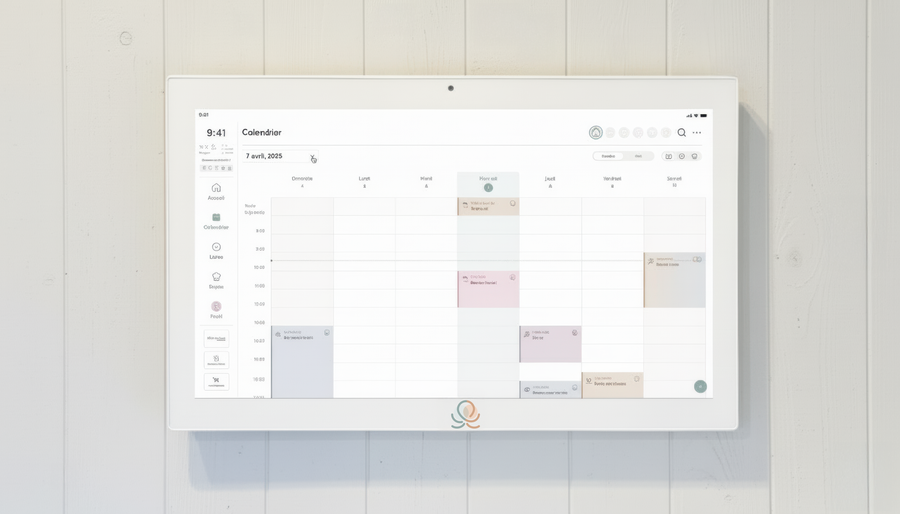
Meals, chores, the calendar and routines for the whole family in one place: on everyone's phone and on the Station on your wall.
The app is free on iOS and Android.