



Responsibilities and privileges: a winning duo for independence
15 March, 2025
Growing up, if it simply means taking on new responsibilities, can seem pretty unappealing to our children. Part of the art of developing children's independence lies in our ability to balance every new responsibility with appropriate privileges, creating a natural motivation to become more independent.
The logic behind permissions
How many times have we said no to a child asking for a new permission, simply because we didn't think they were responsible or mature enough? Let's imagine a different approach instead: clearly explaining to the child which behaviours or accomplishments would allow us to grant that privilege.
Here are some concrete examples to make this link between responsibilities and privileges:
-
“You can have your own phone when you manage your screen time well on the tablet”
-
“You can have a sleepover when you tidy your room regularly”
-
“You can borrow my sports gear when you take care of your own equipment”
-
“You'll get more video game time when you respect your current limits”
-
“You can invite friends over when you show you're responsible at home”
-
“You can use the kitchen on your own when you clean up after your snacks or breakfast”
-
“You can manage your own allowance when you stop losing your things”
-
“You'll get more freedom on weekends when you respect your bedtimes”
By clearly explaining these expectations, we give our children concrete goals to work toward and positive motivation to develop their sense of responsibility.
Examples that speak for themselves
A child's perspective
I remember little Simone who, one evening when she was in bed, called out to me as I walked past her door with a bowl of popcorn on my way to watch a movie in my bed: “That's not fair, you get to stay up late and eat popcorn while we have to go to bed.” That remark gave me the perfect opportunity to explain that if you only look at the freedoms, it could indeed seem unfair, but that once you add all the responsibilities that come with them to the equation, the balance is restored.
A successful negotiation
My son Louis's story perfectly illustrates how to link responsibilities and privileges. He was reluctant to move up to level 6, which included cleaning the toilet bowl, and things got unstuck when I explained to him that someone who can get past their disgust to contribute to the cleanliness of the house shows enough maturity to manage an allowance. Not as a direct reward for the task, but as recognition of his growing maturity.
The benefits of this approach
Linking responsibilities and privileges this way has several advantages:
-
It makes developing independence more appealing
-
It helps children understand the logic behind our decisions
-
It creates an intrinsic motivation to take on more responsibility
-
It prepares them for the reality of adult life, where freedoms and responsibilities go hand in hand
A bank of privilege ideas
Mobility and independence
-
Getting around alone within a set area
-
Running errands to the convenience store
-
Taking public transit
-
Riding a bike around the neighbourhood
-
Walking to school alone
Time management
-
A later bedtime
-
Extended screen time
-
Managing their own homework schedule
-
Choosing when to read
-
Organizing their free time
Social life and communication
-
Having a cell phone
-
Supervised access to social media
-
Organizing outings with friends
-
Having friends sleep over
-
Going to parties without parents present
-
Choosing their extracurricular activities
-
Managing their own social calendar
Financial responsibilities
-
Receiving an allowance
-
Having a youth bank account
-
Managing a budget for certain purchases (clothes, outings)
-
Making supervised online purchases
-
Saving for a personal project
Using equipment and tools
-
Using the microwave
-
Cooking on the stove
-
Using DIY tools
-
Using certain electronic devices
-
Getting access to more advanced sports equipment
Everyday independence
-
Choosing their own clothes
-
Deciding on their lunch menu
-
Arranging their room their own way
-
Managing their homework time
-
Choosing their hairstyle or clothing style
Putting it into practice
To build this system of privileges and responsibilities into your family life effectively:
-
If possible, make the link clear
-
Explain why certain responsibilities lead to certain privileges
-
Be concrete in your examples
-
Try to stay consistent in your approach
-
Go gradually
-
Start with simple privileges
-
Gradually widen the scope of freedoms
-
Adjust based on the maturity shown
-
Communicate openly
-
Talk about mutual expectations
-
Explain your decisions
-
Listen to your child's suggestions
The direct link between responsibility and privilege is an excellent guide, but it shouldn't be an absolute rule. Sometimes it's the sum of your child's responsible behaviours that shows their growing maturity. Noticing that they tidy their room, pack their school bag or do their homework without reminders can be enough to show they're ready for new privileges, even if those aren't directly tied to these actions. This general independence shows their ability to follow rules and make thoughtful decisions, which lets you trust them in other areas.
Use our printable “Privileges by Level” to plan and track how the permissions you grant your child evolve. It's a visual tool that makes discussions easier and motivates the whole family!
Conclusion
The balance between responsibilities and privileges is not just an educational strategy, it's preparation for adult life. By naturally linking the two, we help our children understand that independence isn't only about freedoms, but also about the ability to take on responsibilities. This approach creates an intrinsic motivation toward greater independence, while building their judgment and self-confidence.
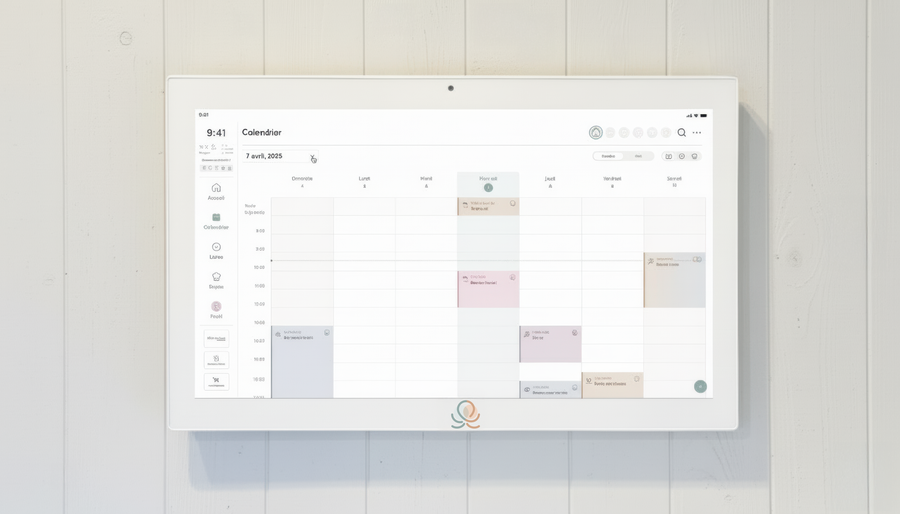
🚀 Find this article and much more in the Octave app (shared calendar, collaborative to-do list, meal planner, all your family info in one place and independence tracking) – your number one ally for an organized family life! 📱✨
Put these tips into practice
Get the whole family organized with Octave
Meals, chores, the calendar and routines for the whole family in one place: on everyone's phone and on the Station on your wall.
The app is free on iOS and Android.