



How can you help your child (ages 3-5) get dressed on their own in winter? A practical guide for parents
08 January, 2025

Many teachers have noticed a worrying decline in how well preschool-age children can dress themselves compared with previous generations. This observation highlights how important it is to support our little ones in learning this essential skill. Indeed, learning to get dressed alone doesn't only build independence; it's crucial preparation for starting school and an important step toward being self-sufficient overall.
A logical sequence for winter dressing
A logical sequence for winter dressing
To get dressed on their own successfully, your child needs to follow a specific order that avoids common frustrations, like not being able to zip up their coat once the mittens are on:
- Snow pants/snow bibs
- Coat
- Neck warmer/scarf
- Toque
- Boots
- Mittens
Organizing the space: the key to success
How the environment is set up plays a crucial role in building independence. A well-organized space lets your child easily reach their clothes and put them away on their own:
- Installing hooks at child height so clothes are easy to reach
- A bin labelled with a photo or pictogram for accessories
- A sturdy, safe step stool for reaching higher items
- A clearly marked, dedicated area for wet clothes
- Displaying the visual sequence near the coat area. The Routine Box Set from Les Belles Combines offers visual tools designed specifically for this learning.
Learning strategies: making the experience positive
Motivating everyday activities
To turn getting dressed into an enjoyable moment, you can try several approaches:
- Using a timer in a playful way, with no pressure
- Making up a dressing song that follows the steps
- Setting up the General Store token system to reward effort
- Actively involving older siblings as “teachers,” drawing on their recent experience and their naturally instructive approach
Developing fine motor skills
Learning to dress takes fine motor skills, which are best practised outside the stressful rush of heading out the door:
- Zipper practice on different items
- Handling buttons of various sizes
- Practice with Velcro fasteners
- Threading activities during quiet moments
Learning tips for ages 3-5
To make sure it's a positive experience:
- Allow 15 to 20 minutes for getting dressed, depending on age
- Choose clothes that match their motor skills
- Offer limited choices to keep their interest
- Add front/back markers to clothes
- Consistently praise effort rather than the end result
Toward more independence: undressing and putting things away
Learning to get dressed is only a first step. The natural progression includes undressing and putting things away independently:
- Creating a designated, easy-to-reach space for wet clothes
- Setting up a routine for checking the state of their clothes
- Putting in place an age-appropriate storage system
- Establishing a routine for getting ready for the next day
To discover more tips and resources, visit lesbellescombines.com.
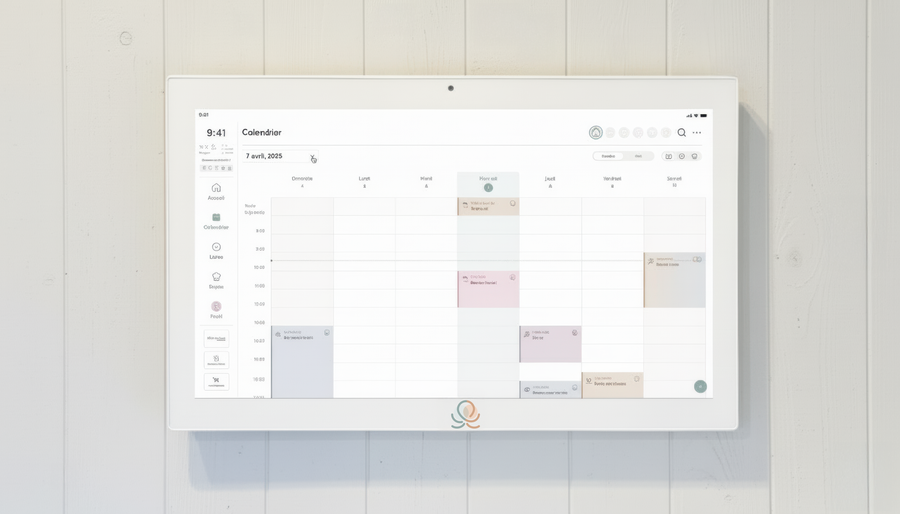
🚀 Find this article and much more in the Octave app (shared calendar, collaborative to-do list, meal planner, all your family info in one place and independence tracking) – your number one ally for an organized family life! 📱✨
Put these tips into practice
Get the whole family organized with Octave
Meals, chores, the calendar and routines for the whole family in one place: on everyone's phone and on the Station on your wall.
The app is free on iOS and Android.