


Growing a green future: a parent's guide to raising eco-conscious kids
15 April, 2024 • Par Natacha Langlois
In a world where environmental issues have, understandably, taken centre stage, it's essential to teach our children to respect and protect our planet, while of course being careful not to make them anxious about its future. So here are a few practical, fun ideas to gently help them understand why the environment matters.
Exploring the environment
For children to understand how important it is to protect the nature around them, they first need to know that it exists, along with all its hidden treasures! So make the most of your weekends to go for walks in the woods with them (even the local park will do the trick!) and gently introduce them to their environment: the air they breathe thanks to the oxygen the trees provide, the water flowing in the river, the animals they come across, etc. Be sure to use simple words and show them how every part of nature is connected. These outdoor walks are the perfect opportunity to inspire a sense of wonder for nature and build, step by step, a respect for all living things.
The importance of the 4Rs
Take time with your children to explain what the 4Rs mean (reduce at the source, reuse, recycle and recover), and try to involve them as much as possible in your choices and your family's daily life. Encourage them to ask themselves the following questions when, for example, it's time to buy something or get rid of an item:
- Do I really need this item? The least polluting waste is the waste we never produce!
- Could I give this item a second life? Taking the time to mend worn-out clothes, doing DIY projects to redecorate your bedroom, giving a secondhand gift for a birthday, etc.
- Can I recycle this item instead of throwing it away? Does the item I want to buy come in a version made from recycled materials? Recycling helps preserve natural resources while also reducing greenhouse gas emissions.
These two printables will also come in very handy when it's time to sort through their toys or school supplies at the end of the school year:
Leading by example
Of course, children learn first and foremost by imitation, so if you want to teach them why the environment matters, it's important that you take good care of it yourself, too! Whether it's through small everyday actions (like turning off the tap or the lights), using less single-use plastic, getting around by active transportation or buying secondhand clothes and toys, you show your kids that the environment matters to you as well, and invite them to follow in your footsteps.
Learning while having fun
There are countless ways to show your children why the environment matters, all while having fun. Here are a few ideas:
- Gardening: Both educational and fun, gardening not only teaches patience and responsibility, but also shows the importance of the plant life cycle, and gives kids a real sense of accomplishment when they finally see their hard work blossom.
- Crafts: Always think of reusing what's in your recycling bin to make crafts with your kids. Of course, this helps them develop their creativity, but it also gives value to objects that were once considered garbage.
- Games: Board games with an environmental theme will help your kids discover the planet's countless riches, see the diversity of life on Earth and learn why it's so important to protect our extraordinary natural world.
Teaching children about the environment isn't just good for our planet; it also teaches them the values of responsibility, respect and curiosity. As parents, you have a key role to play in this learning, and remember: every little action counts!
Would you like first access to all the content published in the Magazine each month, plus our Toolbox, which includes, among other things, free downloads that are as practical as they are fun? Subscribe to Belles Combines Magazine today!
Put these tips into practice
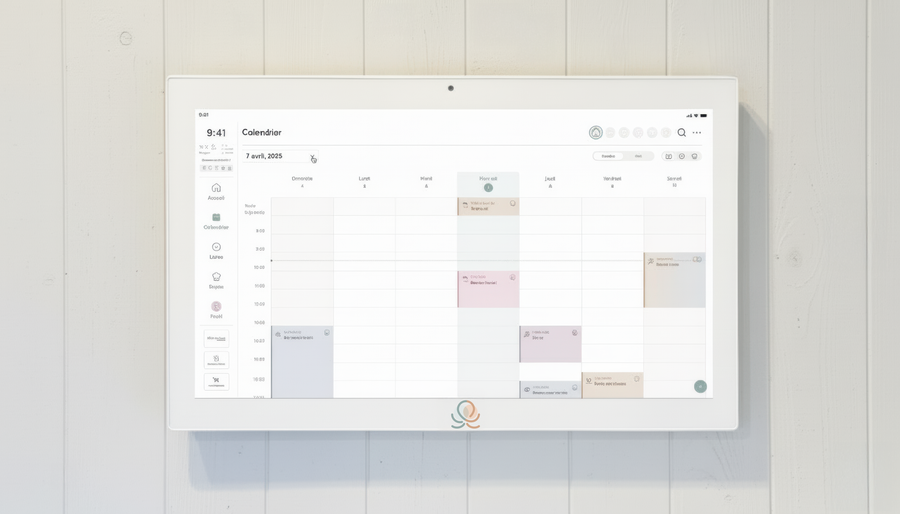
Get the whole family organized with Octave
Meals, chores, the calendar and routines for the whole family in one place: on everyone's phone and on the Station on your wall.
The app is free on iOS and Android.