



First steps toward financial freedom: a guide to teaching kids money management
02 February, 2024 • Par Natacha Langlois
In a world where financial education isn't always part of the school curriculum, it's up to parents to lay the groundwork for their children's future financial freedom. But where do you start? How do you turn abstract concepts like saving, investing and budgeting into accessible, engaging lessons for little ones as well as teens? This step-by-step guide is designed to light the way, offering practical strategies and fun activities to teach the fundamentals of money management from an early age. Whether your kids are just learning to count or getting ready for university, it's never too early or too late to start their financial education, a gift that will serve them all their lives!
Ages 0 to 6: first steps
At this age, children learn mostly through play, and the world of finance is no exception! Here are a few suggestions for activities or habits to put in place from a very young age:
- To learn how to manage money, your kids obviously need to have some! So when you feel the time is right, give your children a weekly allowance (between $5 and $10, for example) to encourage them to save and spend wisely within their budget. At the same time, provide them with a piggy bank so they can keep their money safe, which will strengthen their saving habits.
- Take the time to play board games with your kids that focus on financial concepts, like Monopoly, Pay Day or The Game of Life. You can also suggest role-playing games where they run a grocery store or a restaurant and have to manage the money they give and receive.
- Introduce your kids to the idea of a budget when you go shopping by sticking strictly to your shopping list. For instance, resist the temptation of the candy displayed near the checkout and don't buy it, even if it catches your kids' eye. This habit will certainly help your children intuitively grasp the difference between wanting something and actually needing it.
- A great way to get your kids familiar with handling money is to have them sort coins. Guide them through the task and explain how many coins of each value it takes to make one dollar.
Ages 8 to 12: learning to save
As children grow, they inevitably ask more questions, and often more complex ones. So it's the perfect time to teach them the two basic concepts of money management: spending and, of course, saving. Here are a few suggestions to help you do it:
- Involve them in family decisions and encourage them to share their opinion on upcoming big projects, especially those that call for important decisions about the family budget.
- Take the time to share money-saving tips with your child. For example, you can teach them how to make smart use of sales and promotions in stores or online.
- Explain to them how to enjoy spending while still saving: for example, it's entirely possible to enjoy a trip to the movies while skipping extras like candy, drinks or popcorn.
- Nurture their entrepreneurial spirit: help them design their lemonade stand or their babysitting ad, or even organize a garage sale.
- Let your child get things wrong and make mistakes. In other words, let them spend their money as they wish, even if you know full well that what they're buying isn't the best option.
Ages 13 to 17: big kids, big responsibilities
Your child is all grown up now, so it's best to give them a bigger allowance, but also make them responsible for certain expenses. Here are a few ideas for steps you can take to get there:
- If you haven't already, now is definitely the time to open an account for your child at a financial institution and help them keep track of their transactions, including deposits and withdrawals.
- Whatever they've set their heart on, encourage your child to set a savings goal so they can buy it themselves once they reach it.
- Of course, since many get their first job at this age, it's important to show kids how to manage their budget.
- Since it's possible in Quebec to get a credit card as early as age 16 with a parent as co-signer, be sure to take the time to warn your child about the dangers of using credit. In a world where cash is used less and less, it's crucial for young people to quickly learn how to use a credit card responsibly to avoid going into debt.
Would you like first access to all the content published in the Magazine each month, plus our Toolbox, which includes, among other things, free downloads that are as practical as they are fun? Subscribe to Belles Combines Magazine today!
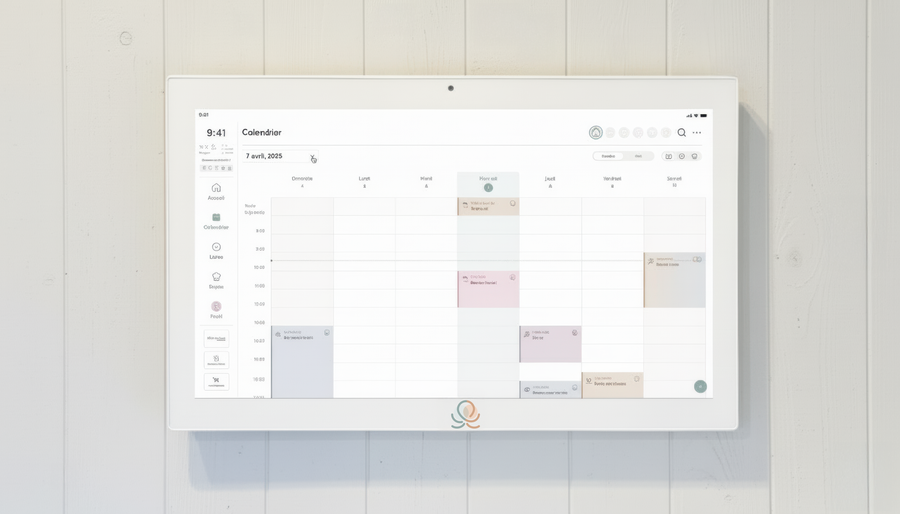
Put these tips into practice
Get the whole family organized with Octave
Meals, chores, the calendar and routines for the whole family in one place: on everyone's phone and on the Station on your wall.
The app is free on iOS and Android.