



10 logical consequences for not “really” punishing kids
01 September, 2025
Positive reinforcement is the best way to motivate children to adopt good behaviours. Those who already use the General Store know this, since they've almost stopped resorting to punishments. That said, using punishments less doesn't mean no longer giving consequences.
What's the difference between a punishment and a consequence?
Generally, punishments (not letting a child go out, sending them to their room, taking away video games, confiscating their bike, etc.) have no connection to the inappropriate behaviour. They work for a certain period, but (from experience!) we notice that over time, children become immune to them. In other words, there comes a time when they just don't care! Punishments also don't allow the child to improve and, at the same time, send a strange message: “You did something I didn't like, so I'll make you unhappy in return!” A consequence, on the other hand, is the logical result of the inappropriate behaviour. If you don't put on your mittens, your hands will be cold. If you're not careful with your bike, it will eventually break and you'll have to do without it. I do sometimes use punishments (like everyone!), but they come when logical consequences no longer work or when the inappropriate behaviour is very serious. Then we need a big jolt to get across that it's downright unacceptable.What consequences should I apply?
It's not always easy to apply a logical consequence in the heat of the moment. Sometimes you have to think, and when you're angry, that's no easy task. I suggest making a short list of behaviours you'd like to correct in your children and thinking about what logical consequence could follow from each. Out of ideas? Here's some inspiration!
10 ideas for logical consequences
- Is your child disruptive at the table and not following the rules?
- Did they break something because they were misbehaving?
- Did they go over their allotted TV or computer time despite your requests?
- Did they skip the chores you asked for all week long?
- Are they deliberately leaving a brother or sister out of a game?
- Do they enjoy making their little sister scream?
- Do they leave all their toys lying around to start a new activity?
- Are they wasting your time by goofing around during homework and study time?
- Were they mean or rude to someone else?
- Are they slow to fall asleep, playing and chatting for ages despite your warnings?
Put them to bed earlier, telling them that this way they'll have time to play and chat before falling asleep without missing out on sleep.
Discipline, a matter of balance
Caring parenting is, for me, a matter of balance. Consequences and punishments have to be part of that balance. As Mitsiko Miller, author of the French-language book “Découvrir la parentalité positive,” puts it, “positive parenting means giving our children the chance to be captains of their own ship in the face of every challenge. It means being able to give them tools so that they become resourceful, responsible and empathetic.” For English-speaking families, try Positive Discipline by Jane Nelsen, which also looks at positive parenting and logical consequences. Disciplining our children means giving them the skills they need to move through a world where actions have consequences and where respect for oneself and others is very important.
Want to be the first to see everything published in the Magazine each month, and get access to our Toolbox, which includes, among other things, free downloads that are as practical as they are fun? Subscribe to Belles Combines Magazine today!
Put these tips into practice
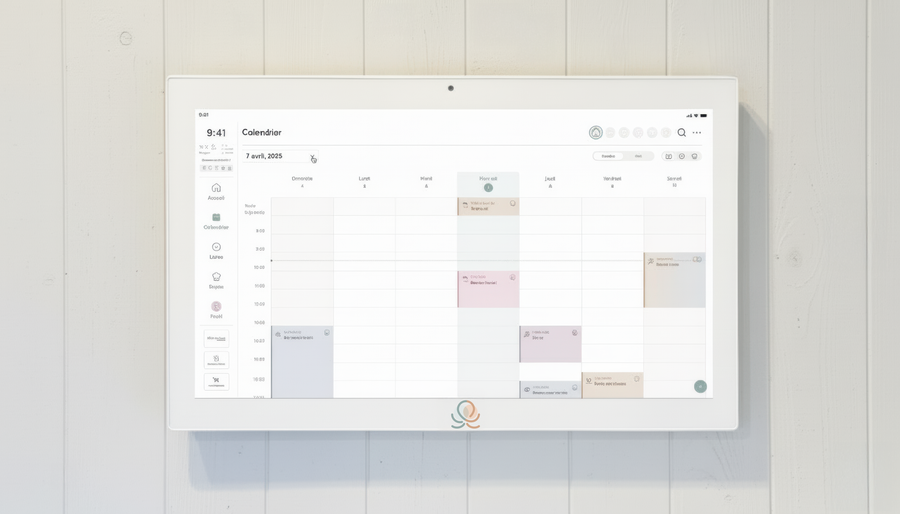
Get the whole family organized with Octave
Meals, chores, the calendar and routines for the whole family in one place: on everyone's phone and on the Station on your wall.
The app is free on iOS and Android.